Concrete driveway building
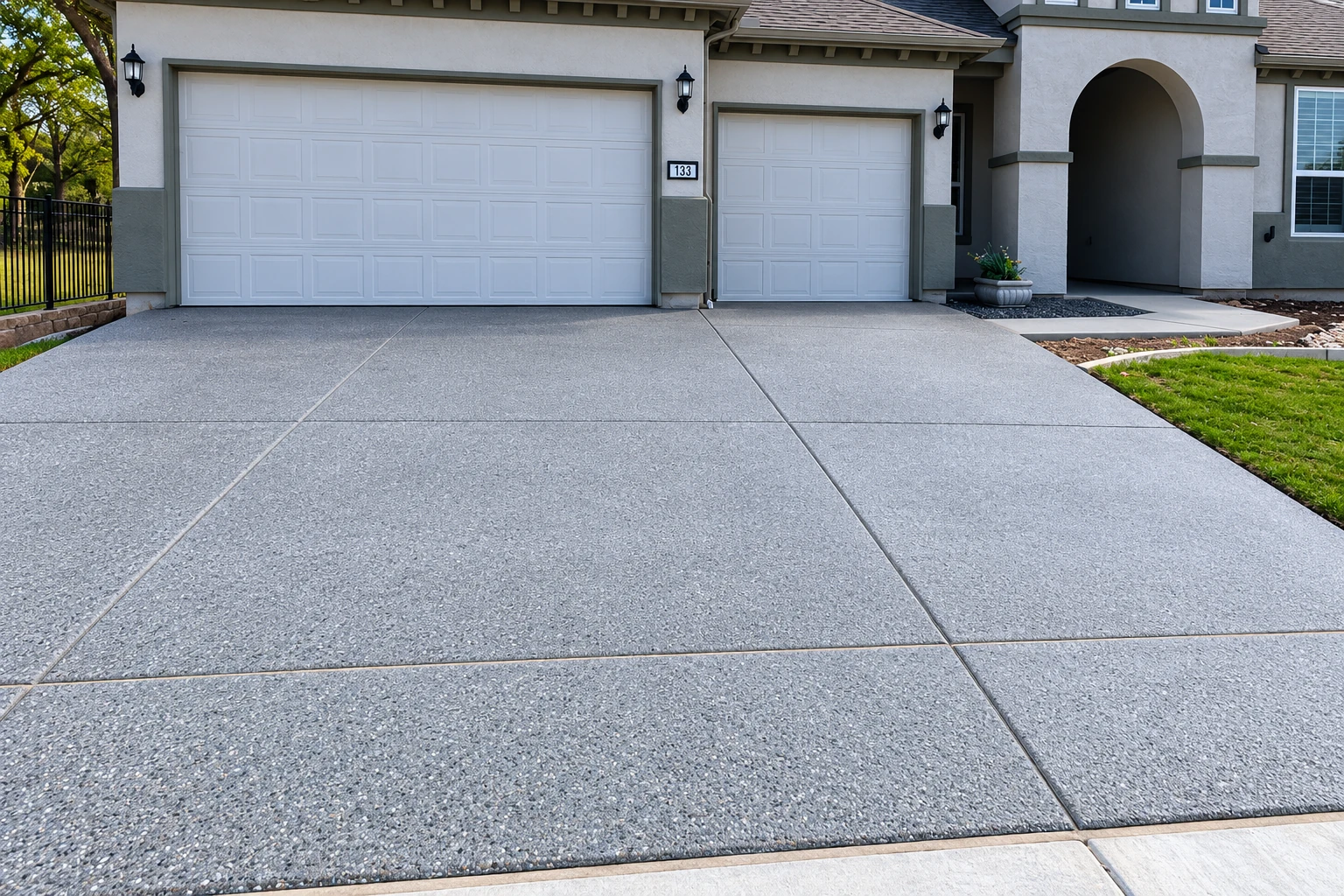
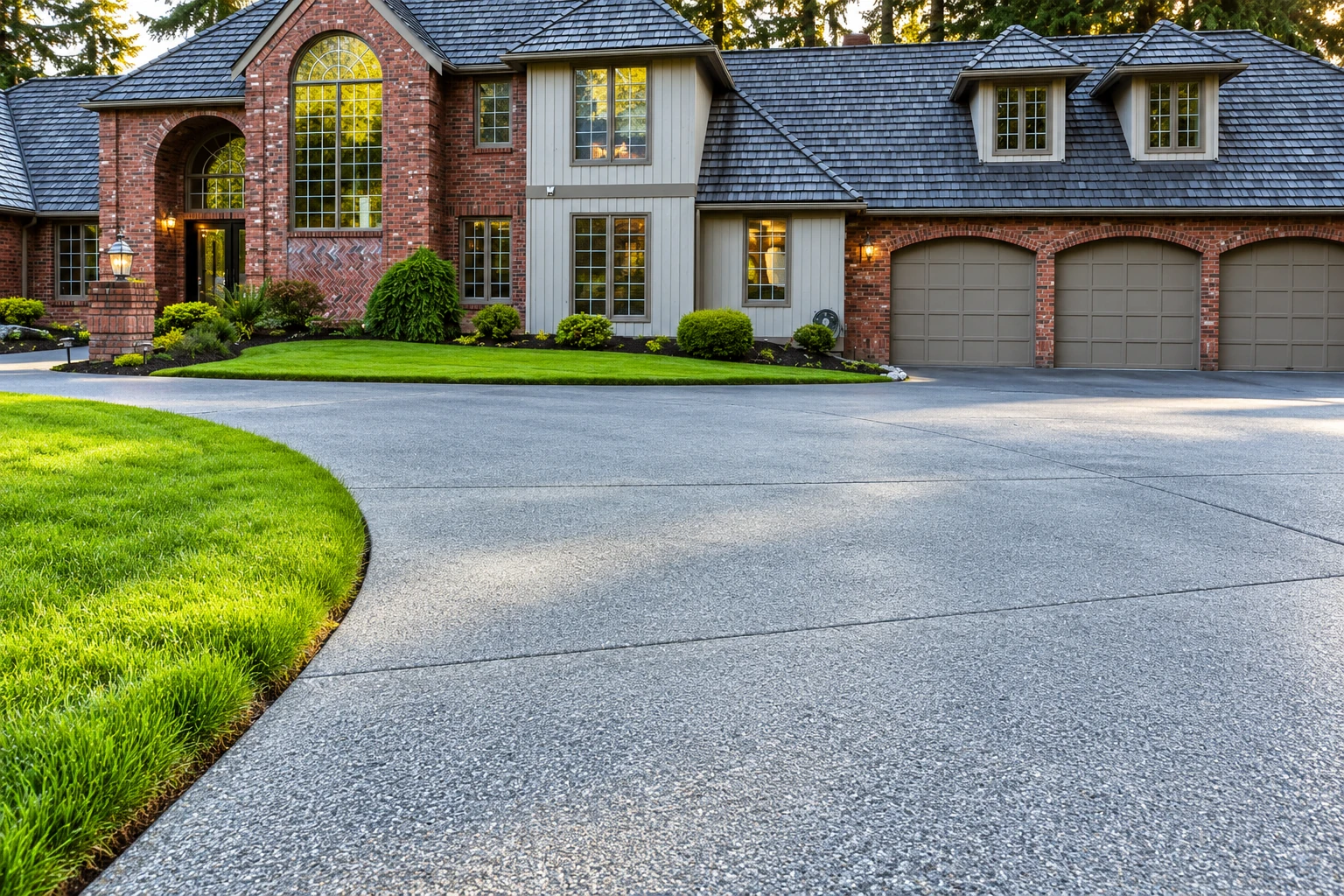
When an old driveway has sunk or cracked across, we tear it out, dig down to firm soil and pour a new slab that drains away from the house.
Baseline Murrieta Concrete is a concrete contractor based in Murrieta, CA. We pour driveways, patios, slabs, steps and footings for homeowners and small property owners in Good Hope, CA, and our own crew does the work.
Baseline Murrieta Concrete pours driveways, patios, walkways, garage floors, steps, footings and retaining walls in Good Hope, CA. I come out from Murrieta and measure each job myself. Our own crew does the digging, base work, forming and pouring, so the person who quoted your job knows exactly what's going under your slab.
Good Hope sits just west of Perris, in the unincorporated part of Riverside County. A lot of the calls we get from here are about replacing tired concrete or adding new slabs on open ground. We see driveways that have sunk at the edges, patios with water pooling by the back door, and dirt areas that owners want turned into parking, a shop floor or a clean path to the yard.
On many properties here, the concrete runs a long way from the street across open ground, so what goes under it matters more than anything we do on top. A slab poured on soil that was only raked level will settle with the dirt. That's why we dig out the soft material and pack the subgrade, the ground the slab sits on, before a single form goes in.
When an old driveway has sunk or cracked across, we tear it out, dig down to firm soil and pour a new slab that drains away from the house.
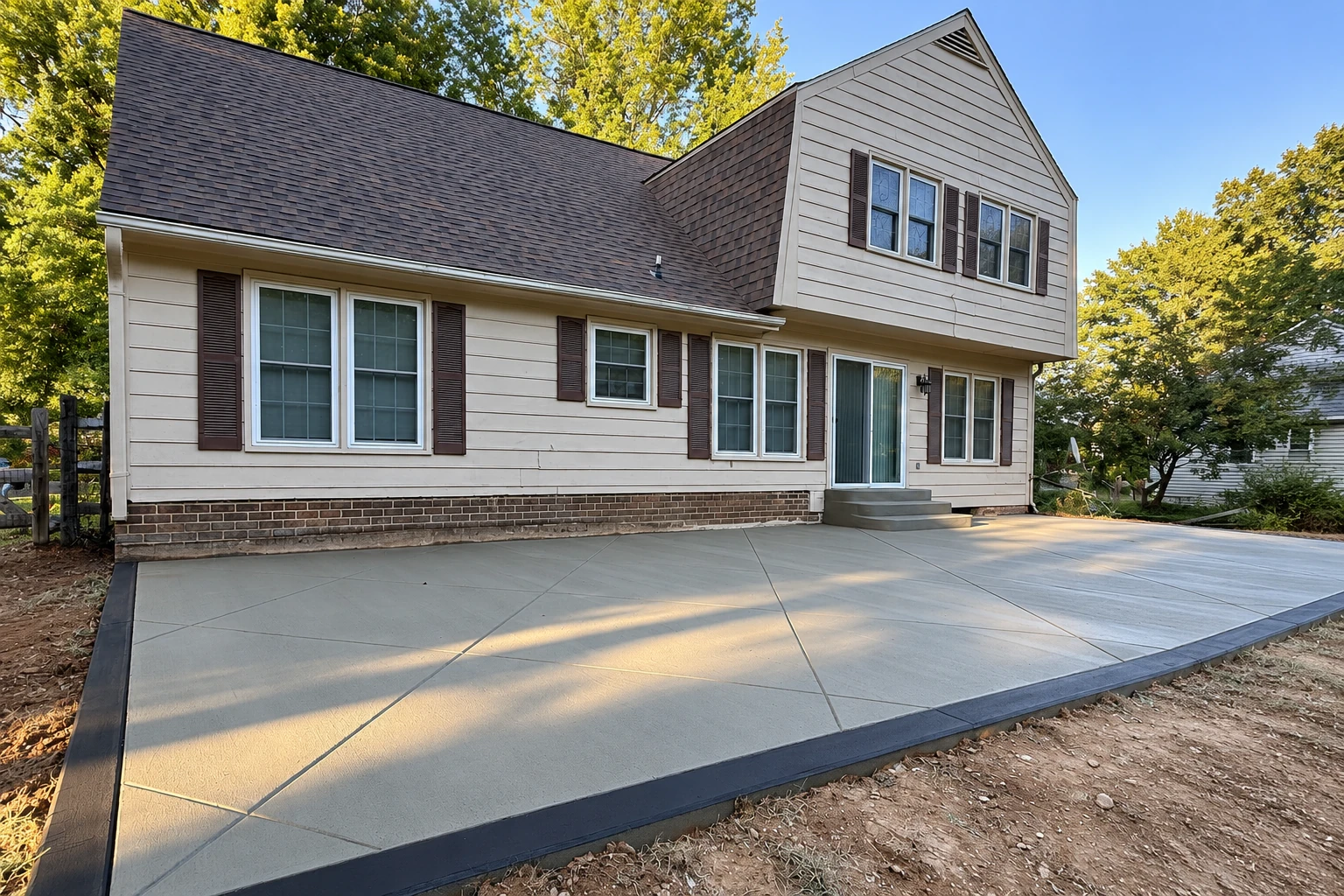
A patio gives you a flat, clean spot out back in place of dirt or loose pavers. We slope it so rain runs off instead of pooling by the door.
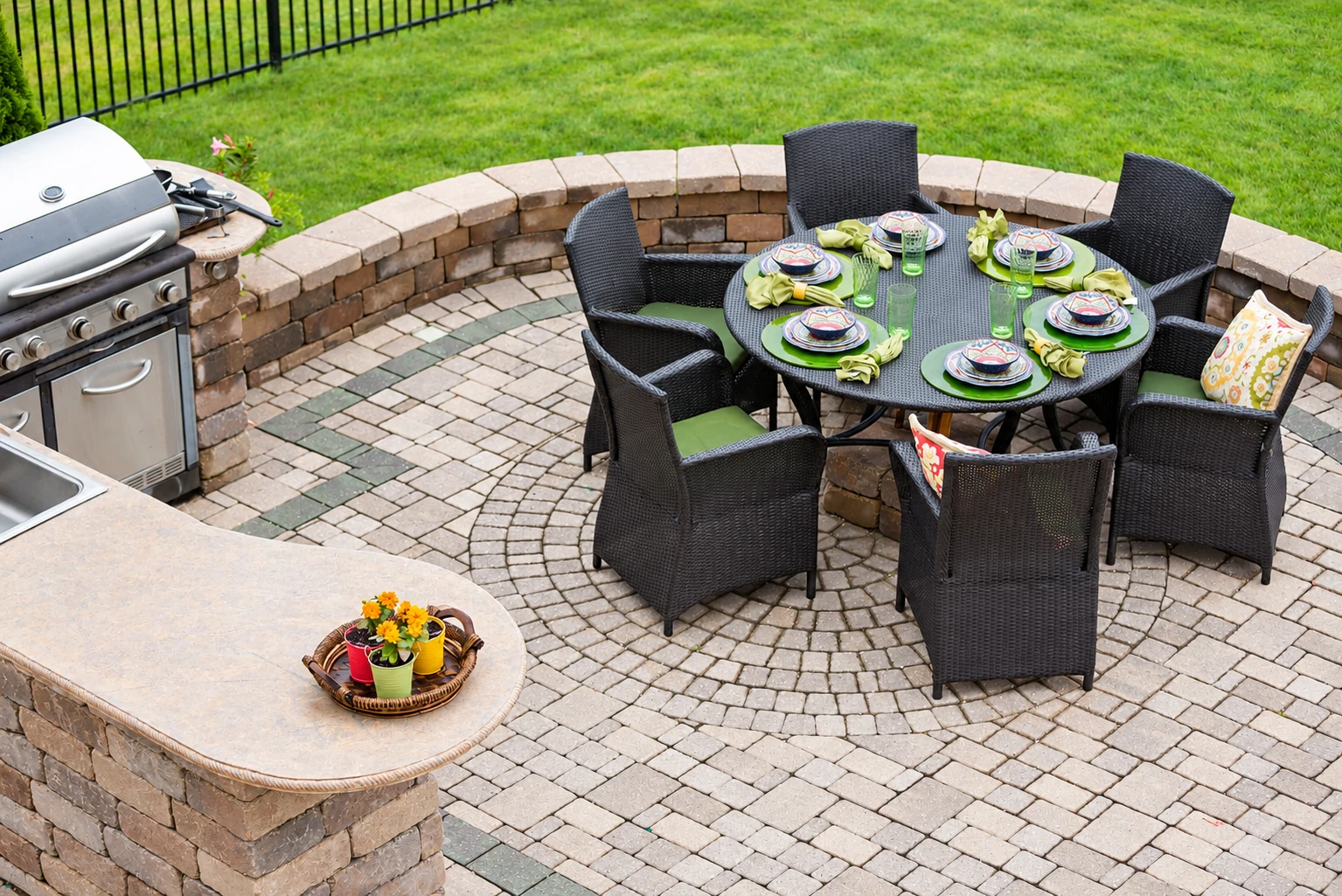
Stamped concrete presses a stone, slate or brick pattern into the fresh slab. It suits patios and walkways where you want the look of pavers in one solid pour.
A poured walkway from the driveway to the front door, or around the side yard, gives you firm footing where gravel shifts and dirt turns to mud.
We replace cracked, chipping or uneven garage floors with a level slab. The smooth finish is easier to sweep and holds up under parked cars.
Color, exposed aggregate and custom borders let a plain slab match your house. We lay them out with you before the pour so nothing surprises you later.
On a sloped lot, a concrete retaining wall holds the soil back so a yard or driveway stays level. We build drainage behind it so water doesn't push on the wall.
For shops, barns and outbuildings, we pour interior concrete floors on a packed base, set to the height and finish the building needs.
A pool deck has to drain away from the water and stay comfortable underfoot. We slope it carefully and give it a texture that isn't slick when it's wet.
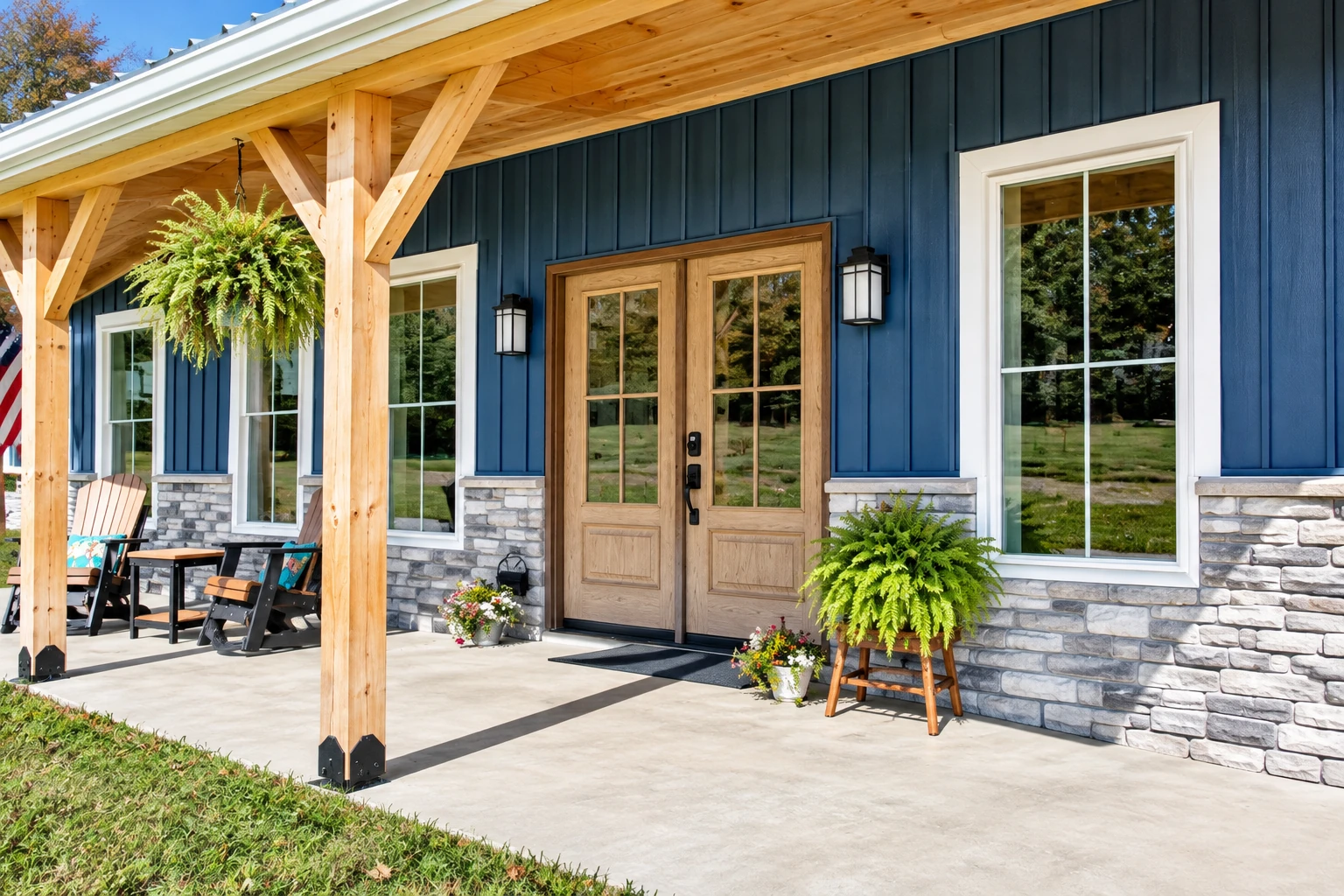
Concrete steps replace wobbly wood or crumbling old steps at the front door or patio. We pour them with even risers so nobody catches a toe.
For a new garage, workshop or addition, we pour the slab foundation to the plans, with the steel and footings placed and checked before any concrete arrives.
When a structure needs footings and foundation walls rather than a flat slab, we form them, set the steel and pour to the plans so the building starts on solid ground.
Small property owners call us for parking areas and wide pads. A deeper base and well-placed joints keep heavy use from breaking the concrete apart.
Footings carry posts, walls, patio covers and block walls down to firm ground. We dig and pour them to the size the job calls for.
If part of a slab or foundation has dropped, we first find out why it settled. Then we raise and support it, rather than just patching the crack.
We saw-cut concrete for new doorways, utility lines, trenches or clean removal edges, so the slab you're keeping doesn't get cracked by a hammer and chisel.
We reply within one business day to set a time, and I come out to Good Hope to measure the job myself. Your estimate is free, done at your property and written down, and you're under no obligation to go ahead.
(951) 477-4538Good Hope isn't inside a city, so permits here come from the Riverside County Building and Safety Department. Many County permits also need sign-offs from other departments before they're issued, and the County lists which ones when it issues the permit. A job that needs a permit can wait on that step before we dig. When a permit is needed, we handle the application and meet the inspector on site. If we aren't sure whether you need one, we check with the County before we start.
The license worth checking is the state one, through the Contractors State License Board. Riverside County doesn't issue business licenses at all. We're a licensed and insured concrete contractor based in Murrieta, CA, and we work in Good Hope and the cities around it, including Menifee.
Your price mostly turns on a few things. These are the size of the slab, how much old concrete comes out and how deep we dig to reach firm soil. It also depends on whether the slab needs rebar, the steel bars inside that hold it together if it cracks, and on the finish you pick. The schedule depends on the permit, if there is one, and on the weather for pour day. The written estimate I give you after measuring lays out the work and the price.
I come out for the estimate and measure the job myself, so your numbers come from your property, not a guess from a photo. I'd rather measure twice and explain my reasons than leave you guessing, because concrete is hard to undo once it sets. I first mixed it patching barn floors on our family farm, and I learned the trade on other people's crews before starting this business in 2020.
Our own crew does the work, and I check the forms before we pour. If something in the budget has to give, I'll tell you plainly to keep the base and simplify the finish. A fancy surface on a poorly packed base still cracks and sinks, and nobody can fix the base once the slab is sitting on it.
We're licensed and insured. Your satisfaction, guaranteed. If you have a sinking driveway, a patio that holds water or a bare patch you want covered, call (951) 477-4538 or send the details through our estimate form. I'll set a time to come out to Good Hope and measure.
Good Hope falls under Riverside County's building rules, and the County names a few local conditions that matter for concrete. Here's how they, and what we see on lots here, shape the way we pour.
The County's building rules note hot, dry Santa Ana winds every year, and they note that blown sand and soil can damage materials and unfinished job sites. For us, that means covering the packed base and stacked materials so they don't get scoured. We also watch the forecast before a pour, because a hot, dry wind pulls water out of the top of fresh concrete and leaves a weak, dusty surface later.
The San Andreas and San Jacinto faults cross Riverside County, and the County expects a large share of its buildings to be affected by earthquakes. No slab is earthquake-proof. Steel laid in a grid and footings poured to plan do help a slab or foundation hold together if the ground shifts, so we don't skip the steel to trim the bill.
On open lots, water from the roof and the yard has to go somewhere. A slab set without checking that often ends up pooling water or draining toward the house. Before we form anything, we look at how your lot falls. Then we set the slab to shed water away from the walls and onto ground that can take it.
Concrete poured in the hottest part of the day sets too fast at the surface, and that's how you end up with a top that chips and dusts. When we can, we schedule pours for the cooler morning hours. We keep the slab damp while it cures, which is the waiting period while concrete gains strength before you use it.
The County's permit list doesn't settle it for driveways and patios, so we ask the County before we start rather than guess. Retaining walls, pools and additions are on the County's list of work that needs a permit, so a retaining wall or a slab for an addition will need one.
The County exempts fences up to 7 feet high and one-story detached sheds or playhouses up to 120 square feet. Block walls over 4 feet still need a permit. Exempt work still has to meet the building code and other County rules, so a short block wall or a shed pad gets the same careful layout from us either way.
Your price comes from the size of the driveway, the ground under it and the finish on top. I measure on site and give you the price in writing. Tearing out old concrete, digging past soft soil and adding a stamped pattern all raise it. A plain broom finish, a lightly brushed texture that gives tires and shoes grip, keeps it lower. Our driveway page has more.
You're off it from the day we tear out the old slab until the concrete has cured enough to carry a car, and you can walk on it sooner than you can drive on it. The wait depends on the mix and the weather that week. Before we pour, I'll tell you when it's safe to walk on and when it's safe to drive on.
Concrete can still crack. The cracks that ruin a driveway usually come from a weak base, late joints or water, and we deal with all three. We pack the base, set rebar where the slab needs it and cut control joints on time. That way the slab cracks along those shallow grooves instead of across the middle.
Move cars, planters and anything stored along the area we're pouring. Tell us about any sprinkler lines, buried wires or septic parts you know of, because we'll be digging. Keep pets inside on pour day and leave a clear path for the truck. I'll walk the access with you at the estimate.
Only on a very small job. California lets someone without a contractor's license take work under the minor work limit only when the job needs no permit and they have no one working for them. The state raised that limit from $500 to $1,000, and anything past it needs a licensed contractor. Ask for a license number before work starts.
Our phone hours run every day of the week, 8 AM to 9 PM, at (951) 477-4538, so you can call after work or on a weekend, or send photos and details through the project form whenever it suits you.